Understanding What a Wash and Lube Facility Offers
Understanding What a Wash and Lube Facility Offers
Blog Article
Proper maintenance of your truck is crucial for its functionality and safety on the road. Committing to thorough care and attention to detail not only enhances the longevity of your vehicle but also its efficiency. Many truck owners in Channelview rely on trusted providers to keep their trucks running smoothly. By familiarizing themselves with the range of available services, such as grain hopper washing and reefer wash outs, truck owners can make informed decisions that benefit their fleets significantly. Affordability, convenience, and the right choice of service provider are all key factors in maintaining your vehicle effectively. This article discusses various truck care services, including in-depth checklists, cost evaluations, and tailored strategies that meet the unique needs of trucking enterprises. channelview best Reefer Wash Outs.Steps to Ensure Quality Truck Care Services
truck care services
Understanding Truck Care Services
Truck care services refer to an array of maintenance solutions designed to keep your vehicles operational, clean, and in peak condition. Key offerings often include truck washing, lubrication, and specialized cleaning tasks such as grain hopper washing and reefer wash outs. Each service is tailored to meet specific operational requirements, addressing the unique challenges different trucking operations face. For instance, grain hopper washing is essential for trucks involved in transporting agricultural products, as it reduces the risk of cross-contamination while ensuring compliance with industry regulations.
Conversely, reefer wash outs play an indispensable role for trucks carrying temperature-sensitive items. This service guarantees that the refrigeration units are clean and effective, thereby safeguarding the integrity of the cold chain. Selecting a reputable facility is crucial, as it ensures dependable results which contribute significantly to the overall efficiency of your operations.
How to Choose a Truck Care Facility
When selecting a truck care facility that meets your specific requirements, it is vital to evaluate multiple factors. Elements such as reliability, adherence to safety standards, and the variety of services offered are all important indicators of quality. For grain hopper washing, it’s essential to check the facility’s expertise in handling grain hauling trucks and confirm they possess the right credentials for proper cleaning.
For reefer wash outs, it is important to understand their sanitization processes and how they maintain the refrigeration systems. Being informed about their food safety practices is essential for any transport company. Additionally, find and read customer reviews and testimonials from fellow truckers to assess overall satisfaction. Often, a facility with a solid reputation indicates a high level of service.
The cost of services is a significant consideration as well. Comparing truck washing prices across several providers can help you identify the most cost-effective option. Create a checklist detailing the required washes, frequency, and any other services like lubrication.
Moreover, since convenience is crucial, utilize online search resources to locate services like “grain hopper washing near me” or “reefer wash outs near me.” Finding a nearby facility can save you both time and money in your transportation logistics.
In conclusion, analyzing cleaning methods, verification of company qualifications, and additional services can simplify your decision-making process and enable you to select a facility that caters to your operational needs.
Cost Assessment of Truck Care Services
Understanding truck washing costs requires analyzing different services and their respective pricing structures. Most facilities offer service packages that can range from simple washes to comprehensive preventive maintenance. When selecting a wash and lube facility, remember that higher quality services might help save more in the long run through prolonging equipment life and reducing downtime. Always acquire quotes from multiple providers to avoid overspending.
The costs associated with grain hopper washing typically depend on the environmental restrictions and the complexity of the cleaning required. Some locations might include additional fees for hazardous waste disposal or specialized cleaning agents. Reefer wash outs may also incur different pricing tiers based on the cleaning techniques deployed, from basic washing to complete sanitation of refrigeration units.
When budgeting, remember to factor in maintenance frequency; regular washing not only enhances appearance but also helps catch potential mechanical issues, leading to cost savings over time. Understanding the full range of truck washing options can empower decision-making and help identify cost-efficient solutions tailored to your business model.
Creating a Truck Washing and Maintenance Checklist
A comprehensive wash and lube facility checklist is crucial for ensuring that every important maintenance detail is addressed. This checklist should cover all significant elements connected to truck care services and routine vehicle assessments. Incorporating the following aspects can vastly improve overall vehicle maintenance:
- Service frequency: Ascertain how often different services are needed, including grain hopper washing and reefer wash outs.
- Documentation: Keep meticulous records of all service activities, capturing inspections, wash histories, and maintenance requests.
- Safety protocols: Verify that the service provider follows necessary safety standards, particularly for hazardous waste disposal.
- Assessment of cleanliness standards: Scrutinize the facility’s cleaning methods to guarantee compliance with industry regulations.
- Confirm equipment status: Periodically assess the equipment being serviced for any signs of deterioration and necessary repairs.
This checklist is beneficial for maintaining accountability, monitoring maintenance records, and assuring that all facets of vehicle care are consistently prioritized.
An excellent resource for further information on truck maintenance techniques is truck loading, which offers in-depth knowledge on effective practices.
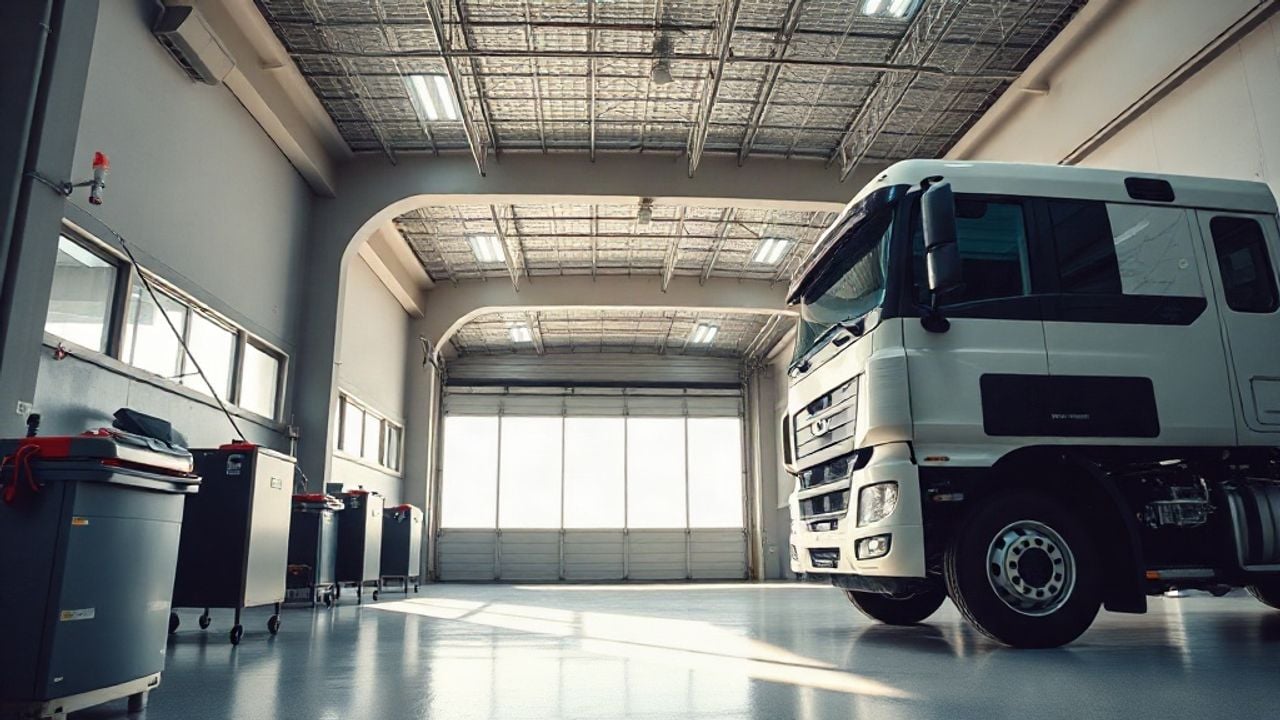 channelview best truck washingchannelview best Grain Hopper Washing
Frequently asked questions
What is the average cost of truck washing?
The average cost for truck washing can vary significantly based on the services needed, with basic washes ranging from $30 to $150 and additional services like grain hopper washing or reefer wash outs adding extra costs.
How often should I wash my truck?
Washing frequency generally depends on operational conditions but is recommended every two weeks, or more often if subjected to harsh environments or long-distance journeys.
What are the benefits of a wash and lube facility?
Wash and lube facilities provide comprehensive services that contribute to cleaner, well-maintained vehicles, helping to increase mechanical performance and prolong the lifespan of essential components.
What should I look for in a wash and lube facility?
Important factors include the range of services offered, facility experience, customer reviews, regulatory compliance, and pricing structures.
Can regular washing reduce maintenance costs?
Yes, regular washing and maintenance can catch potential issues early, preventing more significant repairs down the line and ultimately reducing overall maintenance costs.
What is the best way to prepare my truck for washing?
Remove any personal items from the vehicle, ensure the fuel and oil levels are safe, and report any existing damage or areas needing extra care to the washing staff.
Caring for trucks through regular washing and maintenance significantly impacts operational efficiency and reliability. Investing time in research and selecting qualified facilities ensures that your trucks remain functional and presentable on the road.
By adhering to best practices for truck care, including a careful checklist and understanding various service offerings, operators can achieve longevity and performance in their fleet operations.